
Table of contents
- PART 1 – BEFORE THE SHOW
- Determine the right event
- Key Considerations for Games Trade Show PR
- Connecting with Media and Influencers to Maximise Game Trade Show PR Impact
- Write a Clear and Focused Media Pitch
- Create a Meeting Calendar
- Where to Meet the Media
- When to Start Pitching for Journalist Meetings
- How to Navigate Journalist Meetings Efficiently at Game Trade Shows
- Part 1 Summary: Your Pre-Event Game Trade Show PR Checklist
- PART 2 – DURING THE SHOW
- Some General Strategies for Game Trade Show PR during the event
- How to Use Social Media for Game Trade Show PR Success
- Elevating Your Giveaway Strategy
- Conquering Media Interviews with Clarity for effective game trade show PR impact
- Overcoming Language Barriers
- How to Make Your Tiny Tradeshow Booth Stand Out
- PART 3 – AFTER THE SHOW
- FAQ
Many exhibitors at game trade shows underestimate the value of PR and believe that simply showing up is enough.
PR isn’t just about what happens at the show. It also includes the planning and networking you do in the weeks leading up to the event.
How do you decide which game trade show to attend?
How can you connect with the right influencers and media?
And most importantly, how do you craft a pitch that’ll make you stand out from the competition?
The answer to all of those questions is planning, and in this blog, we’ll guide you step-by-step on how to create a PR strategy that maximises your game trade show PR impact.
PART 1 – BEFORE THE SHOW
What you’ll learn in this section about game trade show PR:
- Audit Your Event Choices: Avoid wasting your budget on the wrong events. Find out how to tell the difference between B2B hubs like GDC, which focus on industry trends, and big consumer events like Gamescom that generate fan excitement.
- Pitch Like a Human, Not a Bot: Learn why generic pitches don’t work and how to create a simple 3-point media pitch that respects a journalist’s time and grabs their interest.
- Hunt for Media (Beyond the Lists): Explore beyond the usual lists to find the right influencers and journalists by checking out your competitors’ coverage and digging into social media niches.
- Hack Your Logistics: Master the art of the 30-minute meeting and discover a handy Google Calendar trick that solves time zone confusion for good.
- Secure the Perfect Meeting Spot: We’ll compare the pros and cons of seven meeting spots-from country-specific trade booths to co-working spaces-so you can pick a professional place that fits your budget.
- Navigate the “Hall-to-Hall” Hustle: Find out common scheduling mistakes and how to plan your meetings so you don’t end up sprinting and sweating across a huge convention centre.
Determine the right event
Key Takeaway
- Events are not cheap, and research is essential to ensure you get the most value from your time and money.
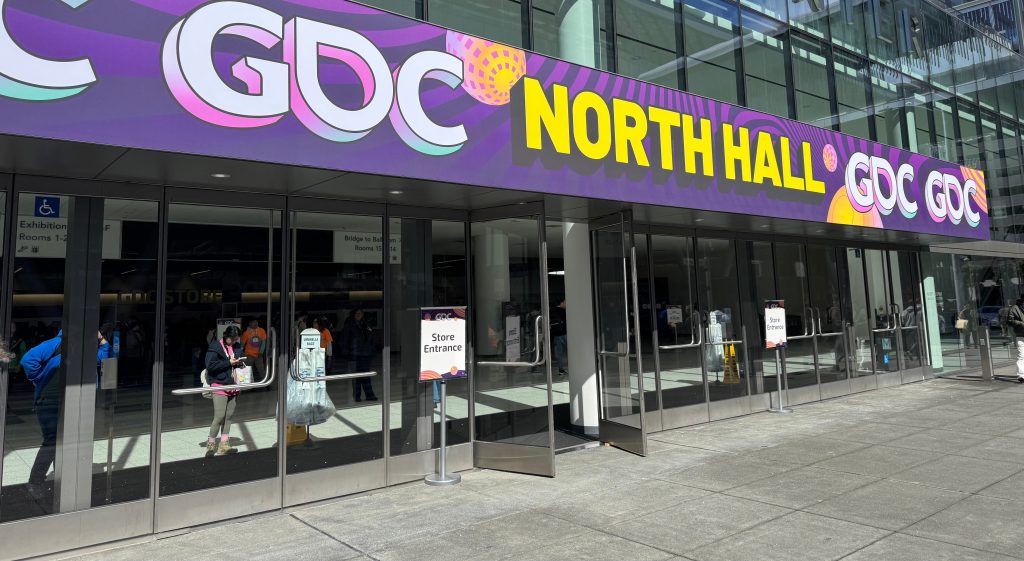
- For the B2B market, events like the Game Developers Conference (GDC) are ideal for industry trends and connecting with trade media. For the consumer market, events like Gamescom Cologne attract devoted fans for feedback and to generate hype.
There’s one thing that video game industry events have in common: they’re not cheap.
In addition to the ticket price, you also have to pay for travel, hotels, food, and more.
To avoid wasting your money and time on events that might not be worth it, take some time to research the ones you’re considering attending.
The years following the COVID-19 pandemic have changed the games industry event scene.
Many major manufacturers, publishers, and developers no longer require expensive stage presentations and can now livestream announcements at their convenience.
Sadly, this means iconic shows like E3 have faded, with online-only showcases replacing large in-person events.
Even with this digital shift, event costs haven’t gone down. For example, securing a trailer spot at Summer Games Fest reportedly costs $250,000.
If your budget is tight, there are new formats and a variety of events that offer great chances to promote your company, product, or game. The key is to find the right fit for you to get the most out of your investment and boost your game’s trade show PR.
For the B2B market, events like the Game Developers Conference (GDC) will enable you to explore current industry trends, connect with other developers, and engage with trade media.
For the consumer market, events like Gamescom Cologne attract thousands of devoted fans and dedicated players during the public days, giving you valuable time to collect feedback and build hype for your game.
Key Considerations for Games Trade Show PR
Key Takeaway
- Set a Goal: The best event depends on your goal (e.g., creating buzz with media, forming key partnerships, collecting player feedback, or driving community engagement)
- Audience: Ensure your target audience (players, press, business contacts) will be at the event.
- Maximise Resources: Factor in your budget, travel time, and booth size. Focused local gatherings or virtual conferences are economical alternatives for limited resources
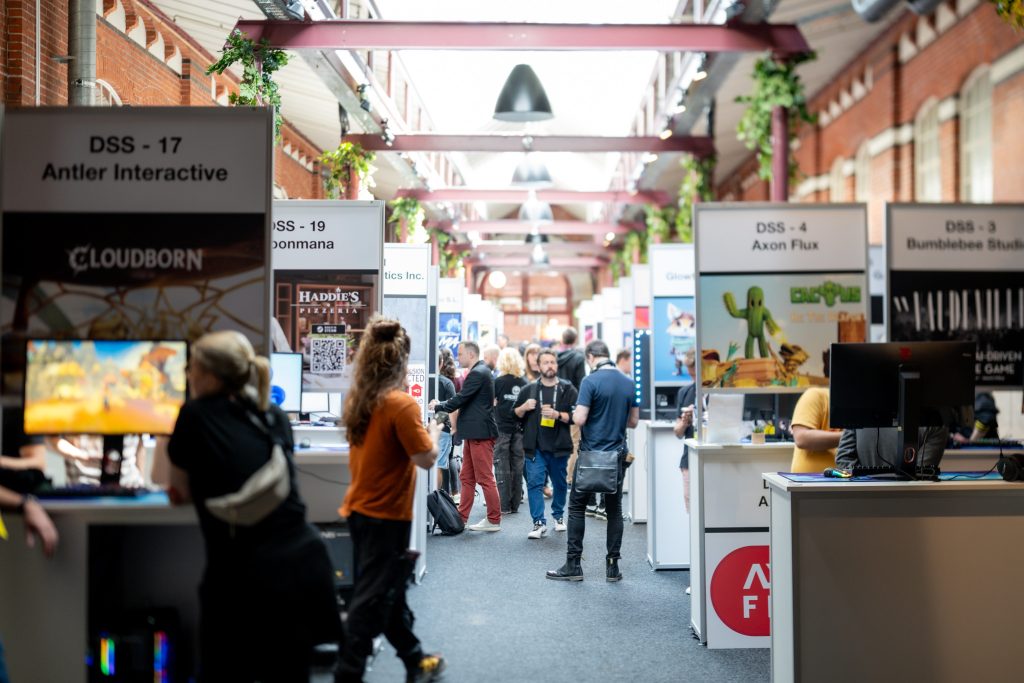
It’s important to remember that attending a games trade show entails more than just the event itself.
You should create a PR plan before the event and use social media to get the most out of the trade show. Even with a small budget, you can make valuable connections and achieve meaningful results for your projects.
Firstly, set a goal for yourself.
Are you hoping to get media attention? Want to build important partnerships? Or maybe you’re ready to gather feedback from players?
Or maybe you want to reach as many people as possible and boost community engagement. The best event for you depends on your goals, so pick the ones that match what you want to achieve.
This will ultimately save you time and money.
Consider your audience
Research the demographics and personas of those who will attend an event and decide if that’s who you want to speak to!
Ensure that your ideal players, press, business contacts or decision makers will be at the event – there’s no point going if your target audience isn’t there!
You should also consider how best you can maximise your resources: your budget, travel time, and the size of your booth are all key factors.
Of course, these will differ from person to person, so you need to choose an event that fits within your capacity. If you have limited resources, a focused local gathering or a virtual conference might be a more economical alternative to a costly space at a live event like Gamescom.
When researching game trade shows, you can be easily misled by pretty pictures and big numbers that make you want to go to the next one.
Instead, look into whether the event has a solid history in your area. Check past coverage, see which media show up, and find out how happy past attendees were.
Connect with your consumers before the event
Interacting with players, especially on social media, can have a snowball effect, turning your consumers into passionate advocates and a cornerstone of your game trade show PR strategy.
By chatting online and sharing your game’s development stories, you can naturally build excitement for both your game and your event appearance.
Besides creating excitement, it’s a chance to get early feedback from your audience so you can make sure your game meets their needs.
We suggest using Discord, LinkedIn, Reddit, and other platforms where people like you hang out.
If you’re looking to keep up with all the latest events, news and trends, we’d also recommend the GamesIndustry.biz Games Industry Events Tracker or the site Game Conference Guide.
Connecting with Media and Influencers to Maximise Game Trade Show PR Impact
Key Takeaway
- Looking Beyond the Media List: Do not rely solely on event-provided media lists. Use social media and competitor websites to find journalists and influencers who cover similar games.
- Proactively Network & Personalisation is Key: Start by creating personalised messages, tailoring your content to their niche, and expressing genuine interest in their work to avoid generic pitches.
- Respect their Time: Keep outreach emails concise and offer flexible meeting options, following up politely only once, a week after the initial contact.
As mentioned earlier, your PR success at a game trade show can begin well before the event itself.
This might mean starting weeks or even months before the event. Attracting journalists and influencers who can help spread the word about your game is key, but it takes a proactive effort.
Many game industry shows will publish a list of all the media that will be present. You can usually get hold of these if you’re part of a country trade delegation or if you just ask around.
Looking Beyond the Media List
Media lists are a good starting point, but don’t depend on them entirely.
They usually show who’s attending from each publication, but contact details might not be included.
Use social media and check your competitors’ websites to find journalists and influencers covering similar games or genres. You can narrow your search by platform and audience type.
Share Insightful Content
Aside from pitching your project, you need to show that you can be a valuable resource.
Sharing relevant content on your social media and blog helps build credibility and shows your expertise.
Do this by answering industry questions, joining discussions, and posting content that highlights your knowledge.
Proactively Network
Don’t just wait around for the media lists to be released. Start by creating personalised messages to the media to introduce yourself and your product.
You can express genuine interest in a collaboration by highlighting topics that resonate with journalists’ audiences and offering exclusive pre-show access to pique their curiosity.
Personalisation is Key
You need to research every journalist and influencer’s work, interests and audience. Make sure you’re tailoring your message to their niche and demonstrating a genuine interest in their content.
Avoid generic pitches because they usually miss the mark. Journalists get many pitches, so generic ones are often ignored or deleted. They can also annoy journalists and hurt your chances for future collaborations.
Consider your Value Proposition
What makes your game or product stand out? What can you offer journalists beyond a typical pitch? Think about early access, exclusive interviews, co-created content, or interesting talking points.
Respect their Time
Be clear and flexible. Keep your outreach emails short and to the point. Respect journalists’ busy schedules by offering flexible meeting times or other ways to collaborate.
Following Up after the Initial Contact
Don’t be discouraged if you receive silence at first. However, sending a polite follow-up email a week after your initial outreach is okay. Do not be pushy, though. Persistence is essential, and a journalist may have innocently forgotten to reply or is just busy.
Still, always respect a journalist’s time and their preferred communication style.
Build Lasting Connections
Don’t just focus on short-term or immediate collaborations.
Building long-term relationships is key to future success. Support journalists by sharing their content, responding to them, and having genuine conversations.
Write a Clear and Focused Media Pitch
Key Takeaway:
- Simple Email Header Example: “Hands-on preview of [Name of Game/product] at [Name of Event].”
- Content Pointers:
- Begin by demonstrating unique knowledge about the journalist you’re contacting.
- List three reasons why they should look at your game using short bullet points.
- Include a link to a video, which can be set to private on YouTube
- Offer hands-on gameplay at the event.
- Tone: Write like a human and be calm. Avoid hyperbole and words like “amazing” or “world-changing,” as they can turn off a journalist right away.
Once you’ve curated your target media list, you need to write a focused pitch to the media as a key part of your game trade show PR strategy.
Make sure your pitch is short and avoids overused buzzwords.
Journalists are continuously bombarded by requests from video game PR agencies and indie game developers, so you only have a few seconds to make an impression.
Pitching to meet a journalist at an event is very different from pitching for coverage. Here are some tips to help you write your pitch:
- Use a simple email header. Keep your email subject simple. For example: Game/product] at [Name of Event].”
- Add an eye-catching screenshot at the top of your email.
- Start your email by showing you know something specific about the journalist. For example:
“Hi! I see that you recently covered [Competitor’s Game], and I think you may be interested in my game, [Name of Game].” - Give three quick reasons why the journalist should check out your game. Use short bullet points.
- If possible, include a video link. It doesn’t have to be public- you can upload it to YouTube as private, but share the link so anyone with it can watch.
- Tell the journalist you’re happy to share more info if they want it. Also, offer them a chance to try the game at the event. Then, wait for them to get back to you.
- Don’t keep chasing journalists. Send one reminder a week after your first message, but if you don’t hear back, move on.
- Write like a real person and don’t rely too much on AI-generated content. It’s okay to use AI to help outline or draft your pitch, but keep your own voice in it.
- Keep your tone calm. Avoid over-the-top words like “awesome,” “amazing,” “leading,” “best ever,” or “world-changing,” since these can put journalists off.
Create a Meeting Calendar
Key Takeaway
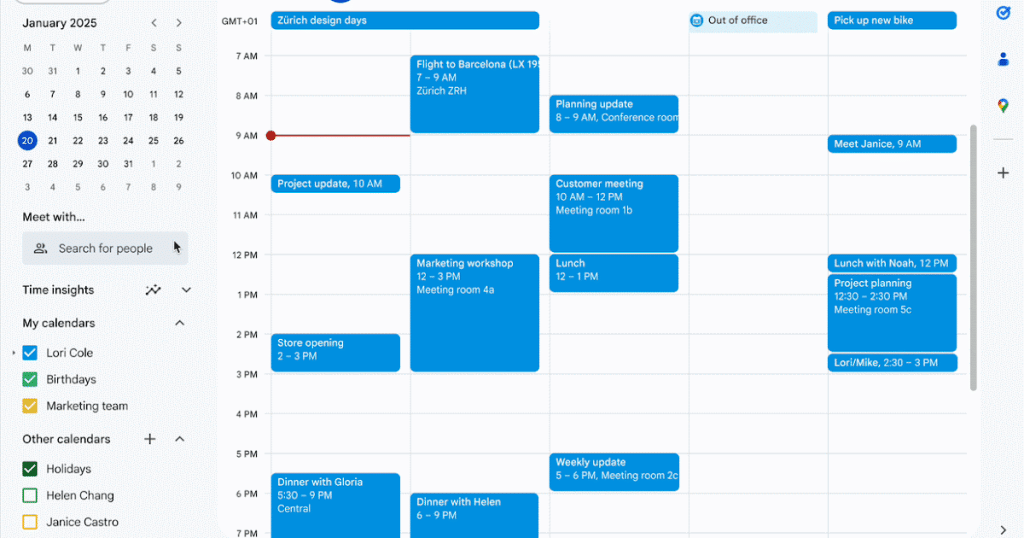
- The Shared Calendar Benefit: Use a shared Google Calendar for transparency, organisation, and automatic time zone adjustments, which is crucial for scheduling with international contacts
- Time Zone Tip: The Google Calendar “Time Zone” option automatically adjusts the meeting time for all invitees, preventing scheduling mishaps.
- Best Practice: Aim for a concise duration of 30 minutes for meetings
Scheduling meetings with journalists across different time zones can be a logistical nightmare. We recommend creating a shared Google Calendar for your journalist interactions to streamline the process.
- Better transparency and organisation within your team, so everyone stays informed about scheduled meetings, preventing double bookings and missed connections.
- Google Calendar automatically adjusts for different time zones, eliminating confusion and delays. This is key!
- You can easily send invites directly from the calendar with precise details, including meeting purpose, attendees, and location.
Meeting Invitation Best Practices
- Keep your meeting concise and aim for 30 minutes. Remember to respect journalists’ busy schedules.
- Be sure to identify yourself. Include your name, company, product, and the purpose of the meeting in the invite title.
- Add a detailed description to the invite. Briefly mention the key topics you want to discuss, as this will help journalists prepare for the meeting.
- Send invites, even if journalists haven’t explicitly requested one. This can demonstrate professionalism and initiative.
Remember: scheduling meetings across different time zones can be tricky. However, if you use Google Calendar, the “Time Zone” option will massively simplify the process.
This option automatically adjusts the meeting time for all invitees, ensuring everyone sees the meeting in their local time. This eliminates any confusion and prevents potential scheduling mishaps.
Here’s how to do this:
Create the meeting invitation as you usually would, and ensure it is in the agreed-upon local time.
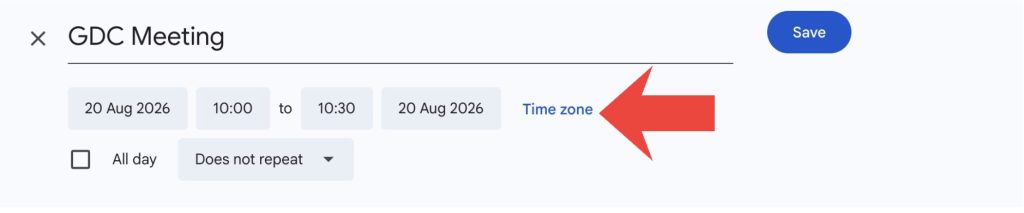
Then click “Time Zone” and set it as desired. For example, if you are planning for the Game Developers Conference (GDC), you would need to select Pacific Time.
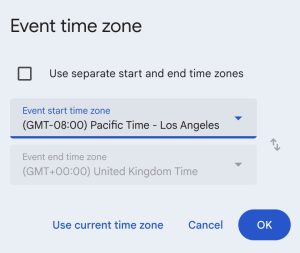
That’s it! You’re all set. Once you land in the time zone, your calendar will recognise your location and adjust to it, magically slotting all your meetings into the right place.
It’s a very easy setting to utilise, but also very important.
We also recommend exchanging phone numbers with journalists as a backup communication channel. If they don’t show up, a quick call can often reschedule the meeting or provide a solution.
In our experience, it’s not uncommon for journalists to forget a meeting, run over in their last one or underestimate how far they have to travel from one meeting to the next. We’ve even personally escorted journalists to a client meeting before to ensure things run smoothly.
Additionally, consider the event structure when planning your meetings.
At GDC, for example, prioritise the later expo days (usually Wednesday to Friday) for hands-on demos and stand presence, as media are more likely to attend then.
For Gamescom, B2B media may prefer quieter days for focused interviews, which is why the three ‘trade only’ days before the main expo are ideal.
Where to Meet the Media
Getting a media briefing is essential, but finding the right spot at a games trade event can be tricky.
The best meeting spaces get booked quickly, making it tough for PR companies and indie developers to secure a spot. Plus, finding an affordable space can be expensive, especially after paying for flights and hotels.
But don’t worry—you can work around this. Here are some options to consider, each with its own pros and cons.
To help you out, we’ve put together a table outlining the advantages and disadvantages, along with a detailed breakdown below.
| Location Option | Advantage | Disadvantage |
Tech/Solutions Partner Booth | Limited space; Requires manpower for staffing; Customisation and individual branding may be limited. | Requires identifying partners, contacting a representative, and negotiating terms. |
Country-Specific Trade Associations | Limited space; Requires manpower for staffing; Customisation and individual branding may be limited | More cost-effective than a show floor booth; Complete control and privacy for sensitive discussions. |
Space for Indie Developers | Cost-effective branded solutions; Increased foot traffic from a diverse audience. | Increased competition; Energetic atmosphere may not be ideal for focused meetings; Potential limit on international visibility |
Hiring a Hotel Room | An off-site location requires media travel, misses out on show floor foot traffic, and is actively limited by GDC, which partners with surrounding hotels. | Misses out on show floor foot traffic; Requires additional travel time; Technical support may be limited. |
Co-working Spaces | Controlled, quiet, private environment; Flexible with room sizes and layouts; More cost-effective than a dedicated booth | Misses out on show floor foot traffic; Requires additional travel time; Technical support may be limited |
Tech/Solutions Partner Booth Space
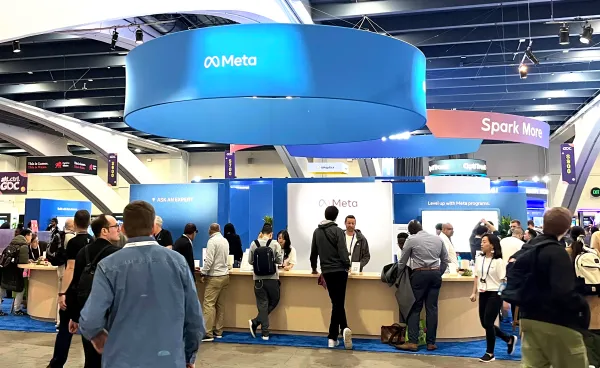
If you’re a developer working with a platform like Unity or Unreal Engine, think about booking a meeting space at gaming events through their tech or solutions partners.
Many of these companies have dedicated booths or areas that offer some useful advantages:
- A convenient spot inside the event that saves travel time and makes it easy for journalists and influencers to find you.
- Being in a tech-focused area will naturally draw more media and attendees to your product, giving you better exposure.
- Meeting in this space can boost your branding and marketing through partnership branding, which helps increase company recognition.
- Depending on the situation, partners may assist with booking and set-up, therefore simplifying your logistics and reducing your workload.
If you’re interested in exploring this, then consider:
- Identify relevant partners. Check the event’s exhibitor list and websites to find participating partners likely to have exhibition space.
- Get in touch directly. Contact the designated representative to inquire about potential meeting space availability and partnership opportunities.
- Negotiate your terms. Outline your needs and arrange any associated costs or requirements for using their space.
Country-Specific Trade Associations
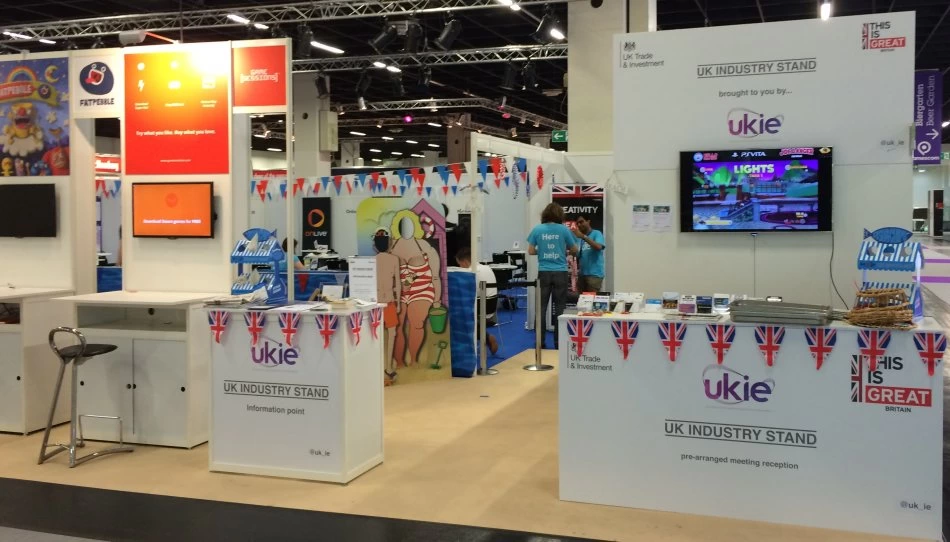
Using a country trade association’s space for media meetings at gaming events is often a cost-effective choice that offers several benefits.
That said, there are some limitations to keep in mind. You’ll need to weigh the costs and benefits based on your needs, budget, and event goals, but this option can offer many advantages.
- Many trade associations get strategically placed booths at special member rates, giving you access to busy areas where media and potential partners gather. This can mean a prime spot and lower costs. For example, UKIE offers meeting tables and demo pods for indie developers.
- Some booths get government support. Depending on the country, associations may receive tax breaks or subsidies for attending game trade shows, which helps lower booth costs.
- A dedicated meeting space inside a trade association booth provides a controlled environment. It’s a private and professional spot for media briefings and demos.
- High foot traffic in the trade association area can lead to unplanned chances to meet media, fans, and potential partners.
- You will have better networking opportunities within the community if you leverage a trade association space. You’ll be able to talk to and connect with other member companies and collaborate with them on various initiatives.
But there are some drawbacks to consider:
- Staffing a booth all the time for demos, answering questions, and covering breaks can be tough and needs careful planning and enough staff.
- Depending on the association and booth size, space may be limited, limiting how many demos or presentations you can show.
- Membership isn’t always required, but it can give you better rates and benefits. Keep this extra cost in mind when planning your budget.
- Since the trade association might set the overall look and feel of the space, you may find the customisation is limited. There will likely be less flexibility for individual branding. It may be just a small sign on a meeting table among 30 others.
- Sharing the space with other member companies can mean more competition for media attention, so you’ll need to plan carefully to stand out.
Space for Indie Developers
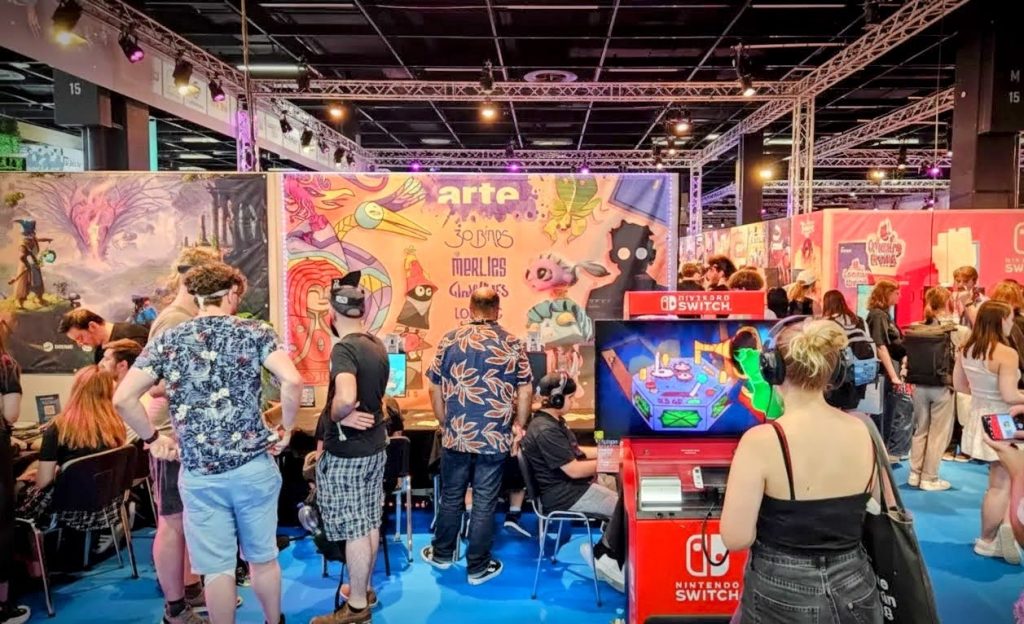
Indie developers are finding more dedicated, curated spaces at major game trade shows and industry events. This can really help boost their PR efforts at these shows.
These special areas give emerging studios a focused, community-friendly, and affordable place to show off their work.
These spaces give indie developers direct access to players, media, and industry decision-makers, helping smaller teams get noticed even when AAA titles dominate. Here are some more benefits:
- Indie spaces usually offer affordable, branded setups that are perfect for public demos and catching the eye of journalists and players looking for new or hidden gems.
- They typically offer broader reach by being nested within larger industry events, which increases foot traffic from diverse audiences.
- Many of these dedicated areas help build a vibrant, supportive environment by fostering community and organic connections among fellow developers and potential partners.
- The organised setup makes it easier to have focused conversations with industry pros like publishers, investors, and media who are especially interested in indie games.
But there are some downsides to keep in mind:
- There are often many participating studios within the space, which can lead to increased competition. This means that standing out from the crowd typically requires extra effort and planning.
- The busy, lively atmosphere is great for exposure but might not work well for focused meetings, detailed demos, or complex setups like dedicated VR areas because of limited space.
- Depending on where the event is, the media and audience might mostly come from one region, which can limit exposure to important international outlets like those based in the US.
Hotel Lobbies
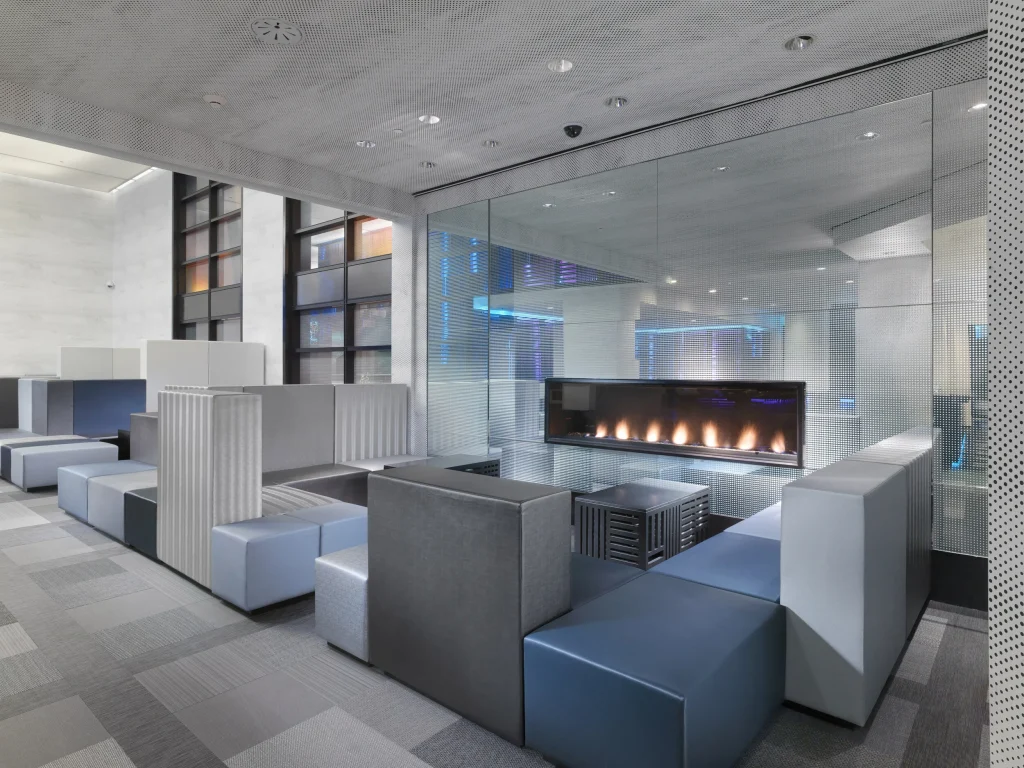
Hotel lobbies are easy-to-access alternatives, but before you use them for meetings, it’s important to know what benefits they offer:
- Situated within or near event conference venues, hotel lobbies offer convenience and easy access for attendees, eliminating the need for additional travel between meetings.
- Since hotel lobbies are usually open all day and night, they let you schedule meetings outside official event hours or when other spaces aren’t available. The formal setting of hotel lobbies facilitates comfortable conversations and easy icebreakers. This can potentially lead to more authentic connections with people.
- Using hotel lobbies instead of booking meeting rooms can save money, especially if you just need a quick catch-up.
It’s also important to know the downsides so you don’t end up meeting in a place that doesn’t work for you:
- Lobbies are inherently public spaces and lack any privacy, making confidential discussions potentially risky. Background noise and distractions can also disrupt your meetings (if you’ve experienced the chaotic mess of the W Hotel lobby at GDC, you’ll know what we’re talking about here).
- Meeting in the lobby might seem unprofessional and make you appear less serious and credible.
- You can’t be sure that seats or amenities will be free. Since you don’t control the space, disruptions or inconveniences can happen. Save a spot to use the restroom, and it might be taken-if you even find a seat!
- Hotel public Wi-Fi can be slow or unreliable, which might disrupt your presentations or online demos.
- Leaving valuables unattended in open areas puts you and your equipment at risk.
Hiring a Hotel Room
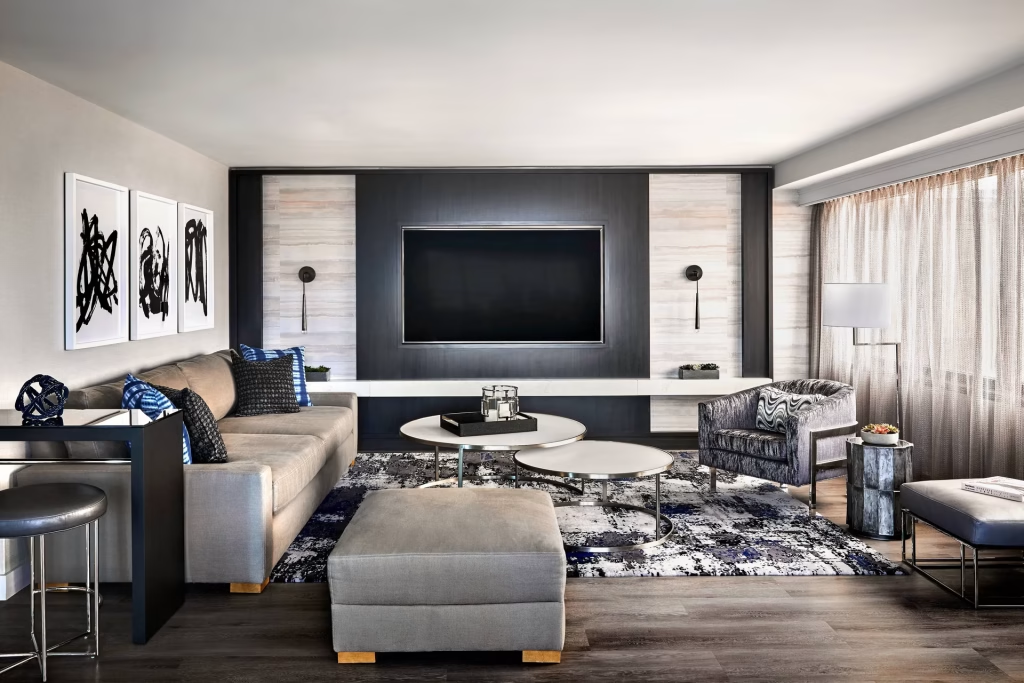
Booking a hotel room, either at the event’s hotel or a nearby one, is a common strategy, especially for smaller studios and indie developers, to hold meetings and demos away from the busy conference floor.
While doing this can require a bit more coordination than directly booking a space through the event, there are some distinct benefits to hiring a hotel room:
- It’s often much cheaper than renting booth space on the show floor, which makes it a good choice for those on a tight budget.
- You get full control over the space, so you can customise it however you want. This might mean adding your own branding, creating a dedicated demo area, or setting the right mood for meetings.
- A hotel room’s private setting provides much better confidentiality for sensitive business talks than the open, public event spaces.
- A calm, relaxed environment helps people feel comfortable, leading to better conversations and stronger professional connections.
Like any option, hiring a hotel room has some downsides to consider:
- GDC has wised up to this and now actively partners with surrounding hotels to limit the ability to book rooms for business purposes. An exception to this is if a company commits to a significant sponsorship or an investment in on-site meeting space with GDC. We know this can be unfair, but that’s just how it is, unfortunately.
- If your hotel room isn’t at the trade show venue, media and attendees have to travel there, which might discourage busy people with tight schedules from coming.
- You also lose the benefit of foot traffic and chance encounters on the show floor, which means less visibility and fewer surprise meetings.
- Managing logistics takes a lot of work. You’ll need to set up meetings, handle catering if you want it, and keep everything running smoothly. This can be much harder than using event spaces provided by the show.
- Given recent reports about sexual misconduct in the industry, a lone male holding meetings in a hotel room might sadly raise concerns about safety and professionalism among female contacts.
Cafes and Coffee Shops
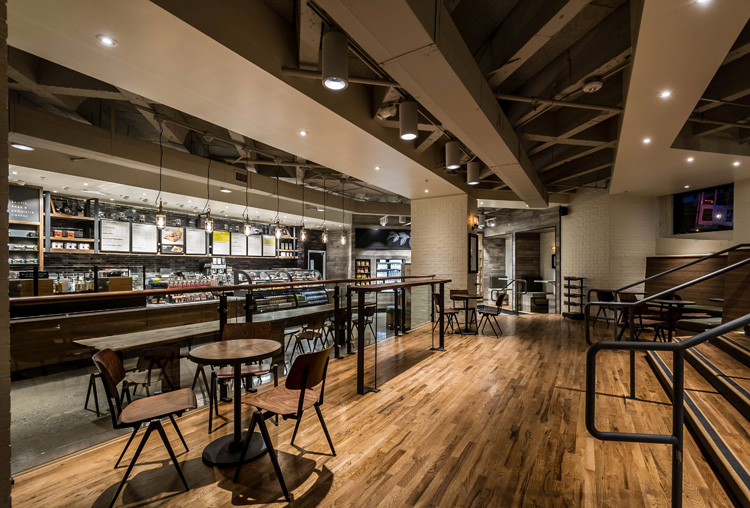
Cafes and coffee shops are common meeting spots at gaming events like GDC and Gamescom, but they aren’t always the best for professional media interactions. That said, they do offer some advantages:
- Cafes are easy to find near event venues, making them convenient meeting spots for attendees.
- The casual atmosphere of coffee shops is great for relaxed, friendly chats and helps you build rapport with journalists.
- Compared to official meeting rooms at game trade shows, cafes are a more budget-friendly option for quick catch-ups.
But cafes and coffee shops also come with some drawbacks:
- Many cafes lack enough power outlets, so setting up tech for demos or presentations can be tricky. Also, some have unreliable Wi-Fi, which can affect your online presence.
- The busy environment in cafes can be distracting during demos, interviews, or serious talks. Noise and interruptions aren’t great for focused conversations.
- Also, the casual vibe of cafes might seem unprofessional for some meetings. This could hurt your credibility, especially during important media briefings.
- While cafes seem affordable, there can be extra charges for prime spots or reserved seating. Plus, many require you to buy something to stay, which might be inconvenient for you and your guest.
Co-working Spaces
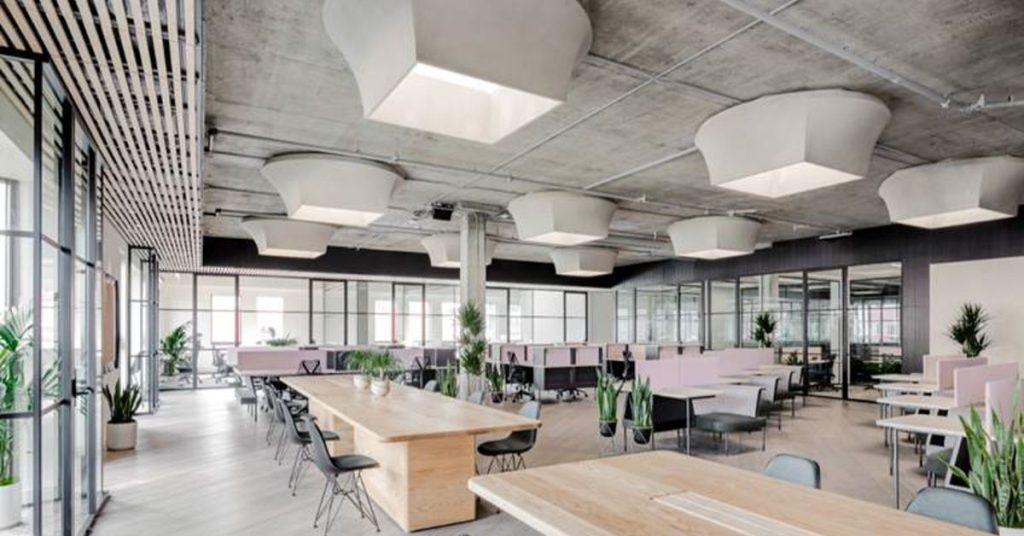
We have seen an increase in the number of people using local co-working spaces at events, such as GDC, over the last couple of years.
- Co-working spaces offer dedicated meeting rooms with modern furniture, technology, and all the amenities you need for meetings, demos, and presentations. This helps you make a professional impression on everyone you meet at the event.
- Many co-working spaces will be located near major event venues, making them accessible and convenient for game trade shows. They can ensure easy, quick access for journalists and attendees from the main show.
- They’re very flexible, letting you pick from different room sizes and layouts to match your meeting style and presentation needs.
- Compared to buying a dedicated booth, co-working spaces can be more affordable. They’re a great option for smaller studios or independent developers on a budget who still want flexible spaces.
- Depending on the event and the location, you may be offered additional services, such as catering, high-speed wi-fi and various presentation equipment.
- Unlike noisy cafes or open hotel lobbies, co-working spaces are usually quiet, private, and well-managed, making them perfect for focused talks and product demos.
However, co-working spaces do have some downsides:
- Similar to hiring out a hotel room, you’ll miss out on potentially valuable foot traffic and random interactions by not being in the main event area.
- Most co-working spaces are near the event venue, but you’ll still need extra travel time if the space isn’t directly connected. This might affect how many people come to your demos or showcases.
- Co-working spaces might offer extra services, but they usually don’t have dedicated staff to help set up your meetings or fix any technical problems.
- These spaces can get popular, especially if they’re close to the event venue, and may fill up fast. You might need to book earlier than expected, or prices could go up if you wait.
- Compared to a dedicated booth at a game trade show, meeting rooms in coworking spaces have limitations in terms of layout and branding. You might find customisation less flexible than you’d like.
When to Start Pitching for Journalist Meetings
Key takeaway
- Optimal Timeline: Start pitching for meetings 3-4 weeks before the game trade show.
- Strategy: An early approach helps you get noticed before journalists’ calendars fill up. Tailor your pitches to individual publication deadlines and interests.
To reach your goals for the game trade show PR, you need a well-planned pitching timeline.
This means planning carefully when to send your pitch requests to boost your chances of getting valuable coverage for your game.
So, when’s the best time to start reaching out to the media?
We recommend reaching out 3 to 4 weeks before the game trade show. Because gaming journalists receive many pitches, contacting them early helps you stand out before their calendars get full.
Doing your research is also key to your success.
Avoid sending generic emails. Instead, tailor your pitches by knowing each publication’s deadlines and the interests of the journalists you’re contacting.
This way, you’ll send pitch requests that really matter to journalists. We can’t stress this enough: only target media that are likely to be interested in your game or product.
Be sure to follow up with journalists thoughtfully, without being pushy.
If you haven’t heard back after a week, it’s okay to send a polite reminder. Show your enthusiasm and suggest other meeting options, while respecting their busy schedule.
By understanding the media’s workflow and approaching them strategically, you will increase your chances of securing coverage.
How to Navigate Journalist Meetings Efficiently at Game Trade Shows
Key Takeaway
- Logistics: Don’t underestimate travel time between colossal event halls
- Planning Tip: Download the event map, plot your meeting locations, and factor in potential delays to avoid being late.
- Spacing: Space out your meetings and resist the urge to cram them in, giving yourself ample buffer time.
If you’re attending your first game trade show, it can be pretty daunting to schedule everything properly without any hiccups.
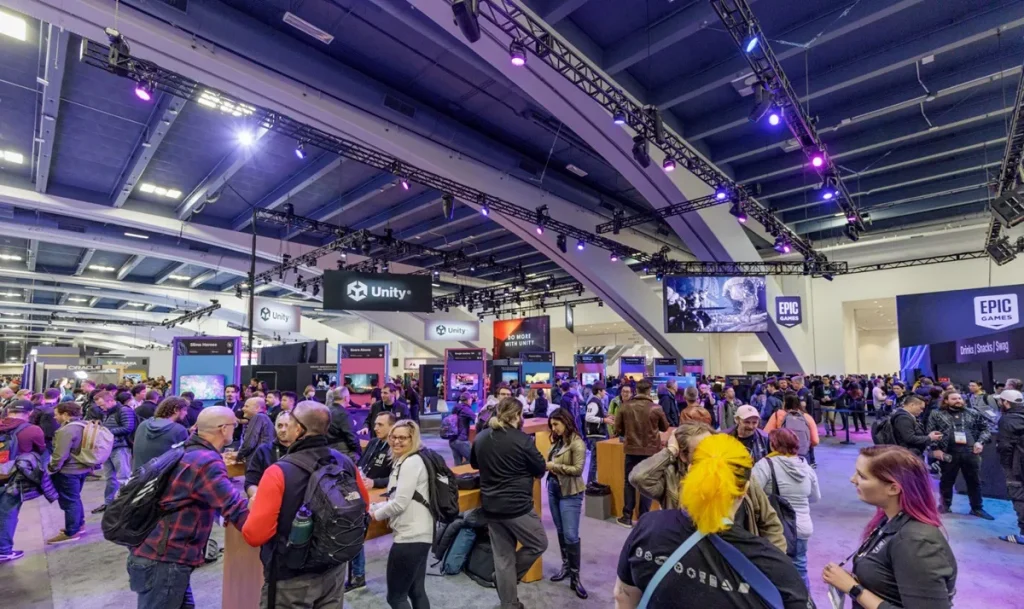
It’s also common for your carefully planned game trade show PR efforts to get disrupted. These events are huge, with many halls packed full of booths and activities.
First-time participants often schedule back-to-back meetings across different halls, underestimating the sheer size of each hall and the travel time between them. This is understandable, and naturally, you’ll want to meet as many people as possible.
But don’t overlook the importance of planning the logistics of your meetings.
Walking from one hall to another takes time, especially if you’re not familiar with the event’s layout, and without allowing yourself proper time between meetings, you’ll likely be late to meet people – not a good look or a first impression for journalists!
Unexpected detours, crowds, and the time it takes to locate booths and meeting points can all be factors when you’re walking around the game trade show. If you want to avoid this meeting mayhem, you need to plan. Here’s what we recommend:
- Download the event map (or print a paper copy if you prefer) and plot your meeting locations on it. Factor in how long it will take you to walk between halls, and the potential for delays, too.
- Space out your meetings, and resist the urge to cram in as many as possible together. Give yourself ample buffer time for travel and unforeseen obstacles.
- Plan your meetings carefully by priority, and try to schedule your most important ones close together. Also, think about alternative spots within the same halls to move around more easily.
Part 1 Summary: Your Pre-Event Game Trade Show PR Checklist
The foundation of successful game trade show PR is proper prior planning. Before the event, you must:
- Define Your Strategy: Set a clear goal (e.g., B2B, consumer hype) and choose an event that aligns with it.
- Personalise Outreach: Master influencer outreach by looking beyond standard lists and tailoring your concise, human-sounding pitches weeks in advance.
- Optimise Logistics: Use Google Calendar to manage time zones for 30-minute meetings and select a professional meeting space that suits your budget (e.g., a co-working space or a trade association booth).
- Prepare Content: Create a comprehensive demo script and an interview FAQ to ensure consistent messaging and confidence in all media interactions.
PART 2 – DURING THE SHOW
Welcome to part two of this blog on PR for game trade shows.
Game trade shows are busy and energetic, making them a great opportunity to secure media coverage and catch players’ attention.
But getting the most out of these events takes more than just having a great game.
Earlier, we talked about how to plan for success before the show (see our Before The Show blog). Now, you also need to be confident, engaged, and proactive during the event.
Now, let’s focus on how to make the most of your PR efforts at the show itself.
What you’ll learn in this section about game trade show PR:
The show floor can be loud, crowded, and chaotic, but it’s also where the magic happens. In this section, we’ll shift from planning to action, showing you how to grab attention and handle the busy moments during the event. You’ll learn how to:
- Turn your team into walking billboards by going beyond generic merch. Discover how to use brand ambassador tactics, such as custom-themed apparel and fun props, to spark spontaneous PR conversations anywhere on the floor.
- Master the hidden event perks: Many developers overlook the fine print. We’ll help you find free PR services, attendee mailing lists, and media rooms that come with your exhibition package.
- Use a value-first giveaway strategy. Stop handing out clutter that just gets thrown away. Find out which sustainable, practical, and portable items help journalists remember your game and why game access is your best gift.
- Survive the Media Interview: Don’t rely on “winging it.” We provide a blueprint for two essential survival documents: the Universal Demo Script and the Interview FAQ (including how to handle those tough questions).
- Bridge the language gap: Use visual aids and simple communication techniques to connect with international press and make sure your message comes through clearly.
- How to make a small booth feel big: You don’t need a huge budget to stand out. Learn how to use vertical space, selfie-friendly lighting, and mini-events to keep a steady buzz around even the smallest indie pod.
- Use the network effect on social media: Learn the flow of posting during the show, from live gameplay clips to hashtag hunts—that can turn 100 booth visitors into thousands of online views.
Some General Strategies for Game Trade Show PR during the event
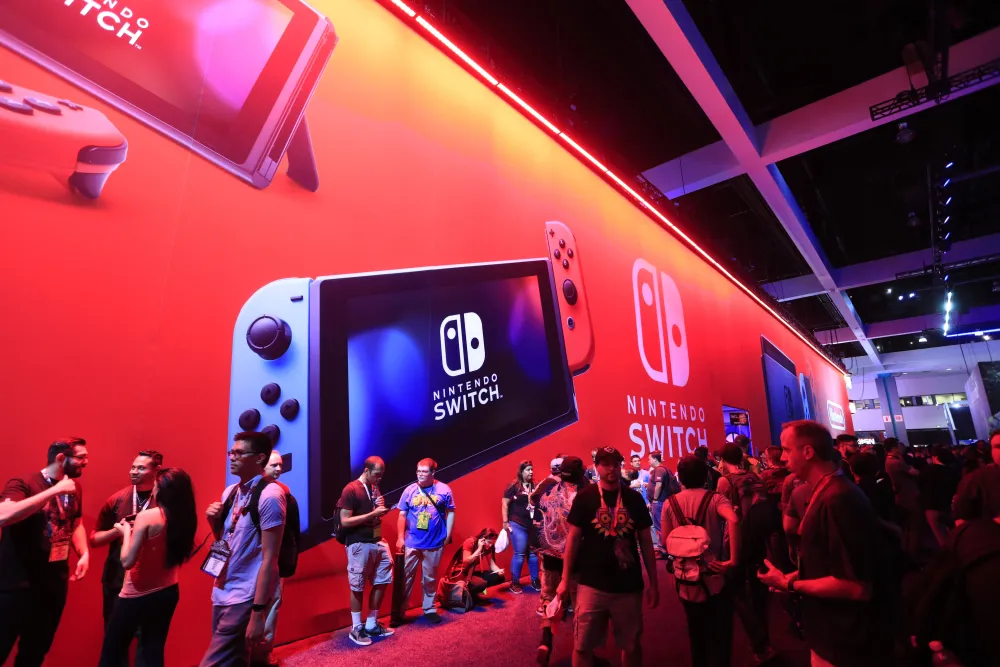
Key takeaway
- Make Powerful Partnerships: Collaborate with other indie developers or complementary companies to share resources and cross-promote games to a broader audience.
- Leverage Hidden Services: Check your exhibition package for valuable, hidden services offered by the event, such as access to the PR team or targeted emails to attendees.
- Become Your Own Brand Ambassador: Design eye-catching T-shirts with memorable visuals or quotes from your game, as every interaction is free PR
- Extend Your Reach and Network: Give yourself time to step away from your booth, walk the show floor, mingle with other developers and journalists, and gain knowledge through talks and panels.
- Maintain a Strong Online Presence: Consistently post live updates, photos, and short videos of the action, tagging the event and relevant individuals to reach a global audience.
Attending a game trade show involves many moving parts.
While your booth is your primary focus, your impact is also determined by how you engage with the event as a whole.
Here are some tips to help you get the most out of the event:
1. Make Powerful Partnerships
Think about partnering with other indie developers or companies that complement your work.
Sharing resources lets you create a bigger, more exciting space and promote each other’s games.
Working together helps you reach more people and connect with new communities you might not have found on your own.
2. Make the most of Hidden Services
Check out the exhibition package that the game trade show offers.
Many events include useful services like targeted emails to attendees or access to the PR team.
Don’t miss these chances! Use these services to promote your game before and during the show, especially if it’s free-to-play.
3. Become Your Own Brand Ambassador
Think about what you wear to the show, and skip the generic t-shirts!
If you can, create eye-catching shirts with memorable images or quotes from your game.
Every chat you have at the event is free PR, and it might lead to some great spontaneous conversations!
4. Engage and Captivate Visitors
Get creative to make the most of limited space. Tournaments or contests related to your game to draw crowds and generate excitement.
For example, we rented a mini Pac-Man arcade machine at one show and invited visitors to compete for high scores. The top scorer after two days got to take the machine home!
Give out exclusive in-game items or merchandise as prizes to encourage people to come back.
Q&A sessions about your development journey add a personal touch that builds interest and connection with your audience.
5. Extend Your Reach and Network
Your work goes beyond your booth; some of the best opportunities happen elsewhere!
Make sure to take time away from your booth to explore the show floor.
Mingle with other developers, start conversations with potential partners and journalists, share your passion and build genuine connections.
The relationships you build here can lead to future projects and opportunities.
6. Seek Knowledge and Inspiration
Go to talks, panels, and workshops at the game trade show.
These sessions provide valuable industry insights, practical lessons from experienced developers, and insights into emerging trends. The knowledge you gain can directly inform your work and inspire new ideas.
7. Embrace the Player and Developer Community
Show your involvement by playing other games, visiting other booths, and connecting with fellow developers. Sharing feedback and building friendships is rewarding and can yield valuable insights and future collaborations.
8. Maintain a Strong Online Presence
Keep using social media throughout the event.
Post live updates, share photos and short videos from your booth, and tag the event and key people.
This helps you reach a global audience who can’t be there in person and can bring more visitors to your booth.
Remember, success isn’t just about how big or flashy your booth is. Get involved in every part of the show, build real connections, and show your passion to leave a strong, lasting impression.
How to Use Social Media for Game Trade Show PR Success
Key Takeaway
- Stay engaged with journalists, players, and publishers before, during, and after the show, using social media’s strong network effect to your advantage.
- Pre-show Anticipation: Build anticipation with a countdown post announcing your booth location and activities, drop a captivating teaser video, and share exclusive peeks into development, such as concept art.
- During the show, focus on engaging your audience:
- Go Live: Go live on your social channels to showcase demos and developer interviews, encouraging viewers to use the trade show’s hashtags.
- Contests: Host live contests (like photo challenges or trivia battles) at your booth to boost awareness.
- Partnerships: Partner with relevant streamers and content creators by offering exclusive access to gameplay sessions to broaden your game’s reach.
- Post-show Amplification: Share a heartfelt thank-you post, recap the excitement with photos and videos, celebrate positive media mentions, and engage with attendees to invite them to your online community.
It’s common to overlook social media or treat it as just a small part of your marketing plan when it comes to game trade show PR
Social media isn’t just great for expanding your game’s reach and awareness; it’s also key to connecting directly with players who are already excited about your game and the upcoming trade show.
Social media grows through a strong network effect: just two shares can reach twenty people, and that engagement spreads quickly. Soon, your content could reach thousands of new players eager to try your game.
Understanding this potential and picking the right platforms for your game is key to getting noticed.
So, it’s important to engage consistently and strategically with journalists, players, and publishers before, during, and after the game trade show.
Build Pre-show anticipation:
- Share a captivating teaser video that hints at your game’s reveal without giving everything away. Think about which platforms to post it on, and use the ones that best reach players interested in your game’s genre and style.
- Create excitement with a countdown post. Share your booth number or location at the trade show, along with any planned activities. Invite attendees to save the date and get ready for your immersive experience.
- Give behind-the-scenes looks at your game’s development. Share concept art, gameplay clips, or developer insights to spark attendees’ interest.
- Host a livestream Q&A to connect genuinely with your audience. Answer their burning questions, tease upcoming news to keep them curious, and engage viewers to build excitement.
In-show engagement:
- If possible, go live on your social media channels. Show gameplay demos, record developer interviews, and capture fun moments with attendees. Encourage viewers to ask questions and use the trade show’s hashtags to build real-time buzz.
- Engage attendees with live contests like photo challenges using the trade show’s hashtags, trivia battles, and hashtag hunts with prizes. This will boost awareness for you and your game. These interactions create friendly competition and leave a great impression.
- Partner with streamers, journalists, influencers, and content creators by giving them exclusive access to gameplay sessions at the trade show. This helps you reach their audiences, boosting your game’s exposure and impact.
- After reading our last blog, you’ll understand the importance of arranging interviews with media representatives. Conducting interviews at your booth (if you have one) and discussing your game will help you gain valuable exposure and secure insightful coverage.
Post-show amplification:
- Post a heartfelt thank-you to show your appreciation to attendees. Share event highlights, remind them where to find more about your game, and keep the excitement going after the trade show ends.
- If you took any great photos or videos, share them on your social media to recap the excitement. Show the buzz around your game, interviews, and memorable moments. Short content keeps momentum and draws in new players.
- Share any awards your game has won or positive media mentions to boost your social media reach. Celebrate these wins with your community and thank attendees for their support to strengthen your place in the industry.
- Make sure to engage with attendees you met at the trade show. Answer their questions and invite them to join your online community for updates. Building these relationships and a loyal fan base is key to your game’s long-term success.
Some extra tips from us:
- Look up and use popular event, brand-specific, and industry hashtags to increase your reach and get noticed.
- Create high-quality videos that show off your game and booth to grab attention and highlight your brand. Remember, visuals speak louder than words! 93% of marketers say video marketing delivers good ROI, and social media has made it even more effective.
- Respond quickly to attendees and your community with real-time comments and answers. Building real connections is vital to your game’s success in this competitive industry.
- Most social media platforms offer dashboards and analytics tools to track your performance. Use this data to see what your audience likes and adjust your strategy for future events.
Elevating Your Giveaway Strategy
Key Takeaway
- Focus on Value, Not Volume: Prioritise quality over quantity, opting for exclusively and personally designed merchandise (e.g., T-shirts, pins) to create a sense of rarity.
- Be Practical: Choose portable giveaways that help journalists navigate the busy show floor, such as compact bags or phone stands, to increase the likelihood they remember you.
- Incorporate Game Access: Provide complimentary digital or physical copies of your game to journalists for a more informed review.
- Consider the Environment: Be mindful of eco-friendliness and consider using sustainable, environmentally friendly gifts.
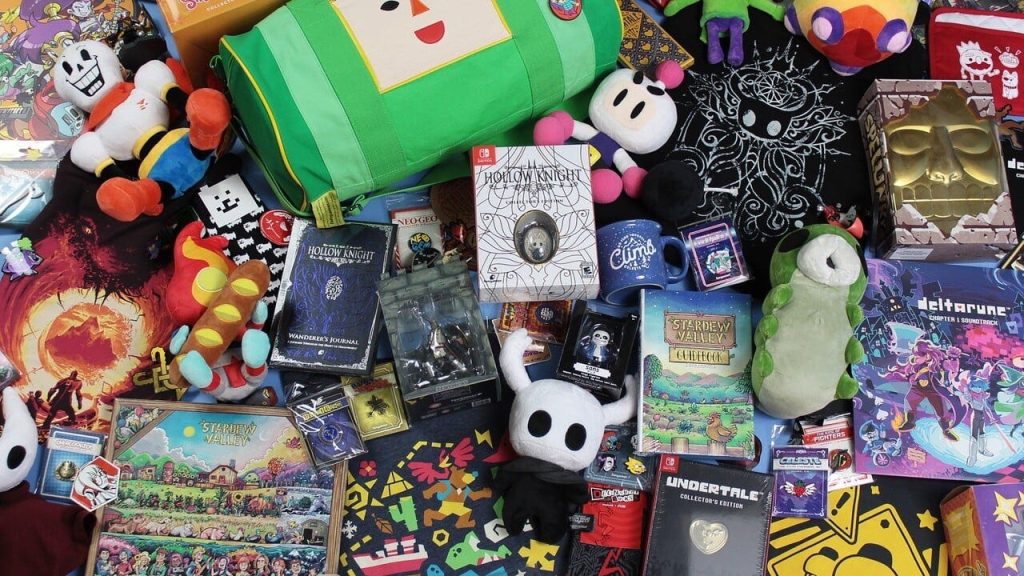
Giveaways can grab attention and boost your games trade show PR efforts, but generic swag usually won’t leave a lasting impression on the media and often ends up in the trash. Most people really don’t need another mug! Instead, you can impress the media with meaningful giveaways done the right way:
1. Consider the Environment
Lately, merchandise and giveaways have come under scrutiny for environmental concerns.
Unfortunately, many cheap items found at conferences, shows, and events end up in landfills. Be mindful of eco-friendliness when you run giveaways, and consider using sustainable gifts.
2. Focus on the Value, not the Volume
Focus on quality rather than quantity when choosing merchandise for attendees.
Instead of mass-produced items, consider unique or custom-made options. Things like personally designed T-shirts, pins, or keychains can feel special and more desirable at the game trade show.
Giving early access to your game is a great way to excite players and build connections with journalists.
Think about offering signed prints or memorabilia that collectors and fans of geek culture will value.
3. Keep it Practical
Game trade shows are busy with lots of people, booths, and games to check out. Journalists will be moving around a lot, so your giveaways should help, not get in the way. Portable items like small bags, phone stands, or foldable water bottles can be useful and make your game more memorable. Just remember to keep your merchandise sustainable.
4. If you can, always include Game Access
Giving journalists free digital or physical copies of your game lets them try it themselves, which can lead to more informed reviews. Make sure to clearly explain any limits or conditions to avoid confusion, and pay attention to their feedback to help improve your game and marketing.
Conquering Media Interviews with Clarity for effective game trade show PR impact
Key takeaway
- Preparation is Key: Preparation is vital; don’t rely solely on improvisation.
- Essential Documents:
- Comprehensive Demo Script: A structured, repeatable script that highlights your unique selling points (USPs) and anticipates competitive questions
- Interview FAQ: A document covering how to answer every possible question, including negative or tough questions56.
- Digital Assets (Press Kit)
- Your press kit should feature freshness and context, spotlighting the game’s most recent features and updates that directly relate to the event.
- Tailor the kit to specific journalists and include a clear map highlighting your booth location.
If you’re going to take one thing away from this post, don’t underestimate the power of preparation when it comes to your games trade show PR strategy.
You’ve probably heard the saying about the 7Ps: “Proper Prior Planning Prevents Piss Poor Performance.” This is especially true for your media interactions before and during the game trade show.
Turning a potential interview pitfall into a valuable opportunity relies entirely on your pre-event strategies and preparations.
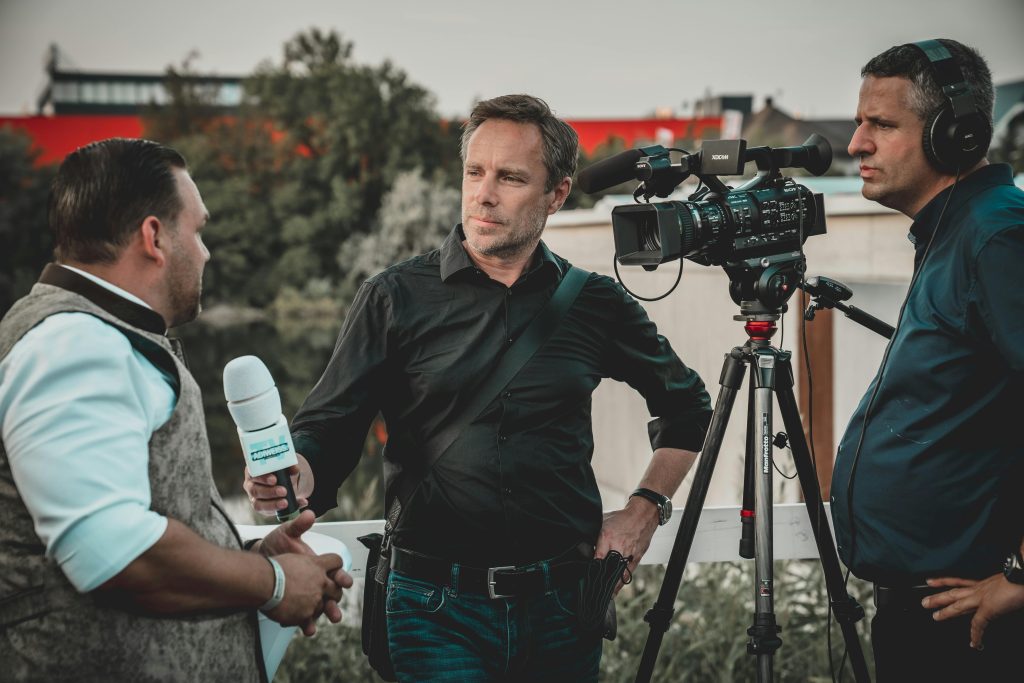
Before meeting any journalists, you need to consider your messaging and communications, making sure that you (and your team, if you have one!) speak clearly, consistently, and confidently.
Don’t rely only on improvisation during interviews, as you might get asked something you don’t know. Unexpected questions can shake your confidence. To make the most of your time and highlight your game’s strengths, we suggest preparing two key documents:
- A comprehensive demo script. Create a structured and repeatable script for your demo. It needs to highlight your unique selling points (USPs) and anticipate potential questions from journalists who are already familiar with your competition.
- An interview FAQ. Develop a document that covers how to answer every possible question you could be asked by a journalist, including any negative or tough questions you don’t want to be asked. You can avoid becoming flustered during meetings, demos, and showcases by preparing your answers in advance. Also, remember: confidentiality is paramount. If a sensitive topic comes up or you’re unsure of a detail, politely offer to follow up later.
Remember, interviews don’t just stop when the cameras or microphones turn off.
You should also show genuine interest in the journalist if you want to build a good working relationship. What games do they cover? Have they written about your competitors?
Your digital marketing materials should be just as dynamic and exciting as your game.
Journalists are continually bombarded with generic materials, so this is your opportunity to stand out at the game trade show. The key to a good press kit is freshness and context:
- Don’t just highlight your achievements, but spotlight your game’s most recent features, updates, or exciting announcements that directly relate to the event.
- Tailor your press kit to specific journalists or outlets as much as you can. Go beyond the basics by including exclusive content, such as developer interviews, behind-the-scenes insights, or sneak peeks at upcoming developments.
- Include a clear map that highlights your booth location at the event. This crucial navigational information will not be in your existing general kit, and it can be a great way to guide them at the game trade show, so they know exactly where to meet you.
- Don’t be shy about showing off your success! Include any recent recognition or awards your game has received.
You’ll also need to make sure your press kit is accessible – it’s useless if a journalist can’t access it! Provide your kit in multiple convenient formats. For example, a direct digital download link, an email attachment or even a QR code for physical copies. Some final tips for your press kit:
Double and triple-check your assets for any errors or inconsistencies. Even one typo can undermine your professionalism.
Regularly update your existing general press kit.
Keep the overall size and format manageable for easy downloading and browsing.
Overcoming Language Barriers

Key Takeaway
- Prioritise Simple Communication: Speak slowly, enunciate clearly, and swap complex jargon for plain English and short sentences.
- Leverage Visual Aids: Use gameplay footage, screenshots, and demos to provide context that doesn’t rely on verbal translation.
- Prepare Multilingual Assets: Offer press kits, info sheets, and releases in the journalists’ native languages to show inclusivity and respect.
- Practice Patient Engagement: Create a welcoming atmosphere by giving journalists extra time to process information and avoiding the urge to interrupt.
- Active Listening & Clarification: Use paraphrasing to confirm understanding and invite the journalist to ask for further explanation if needed.
- Do Your Homework: Research a journalist’s previous work beforehand to tailor your pitch and demonstrate professional respect.
Don’t assume everyone you meet speaks perfect English when it comes to games trade show PR.
Most media you meet will use good English, even if it’s not their first language. Still, language differences can sometimes make communication tricky.
The global reach of game trade shows presents exciting opportunities, but miscommunication or misunderstanding can be obstacles.
You can prepare some simple strategies to connect better with journalists who don’t speak English as their first language. This will help you have meaningful conversations and get great media coverage.
- Focus on being clear. Speak slowly and pronounce your words carefully. Don’t rush. Keep your message simple by sticking to the main points. Avoid complicated jargon and long sentences because they often don’t translate well. Use plain English instead.
- Visuals speak volumes. Screenshots, gameplay footage, concept art and demos can visually reinforce your message, providing context that transcends language barriers. Additionally, consider preparing your press kits and information sheets in the languages journalists are most comfortable with. This will demonstrate your efforts to be as inclusive as possible.
- Make the atmosphere welcoming. A friendly hello can make a big difference! Show you appreciate the journalist’s time and interest. Be patient and understanding. Give them extra time to take in the information, and don’t interrupt when they’re thinking of questions. Listen carefully and encourage them to ask if something isn’t clear. If they need help understanding, repeat what they said in your own words and invite them to explain more or ask questions.
- Go the extra mile. Showcasing your knowledge and respect will make a good impression on the journalist. Make sure you research their work before the event so you can adjust your communication with them accordingly. Why not consider interviewing in both English and their native language if you can speak it? If you’re able to, also share translated press releases, additional assets and contact information in their preferred language for future inquiries.
Remember: building good relationships with journalists is key. It’s also important to show respect for cultural differences.
If you communicate clearly and create a welcoming space for journalists, you can overcome language barriers and get valuable media coverage.
How to Make Your Tiny Tradeshow Booth Stand Out
Key takeaway
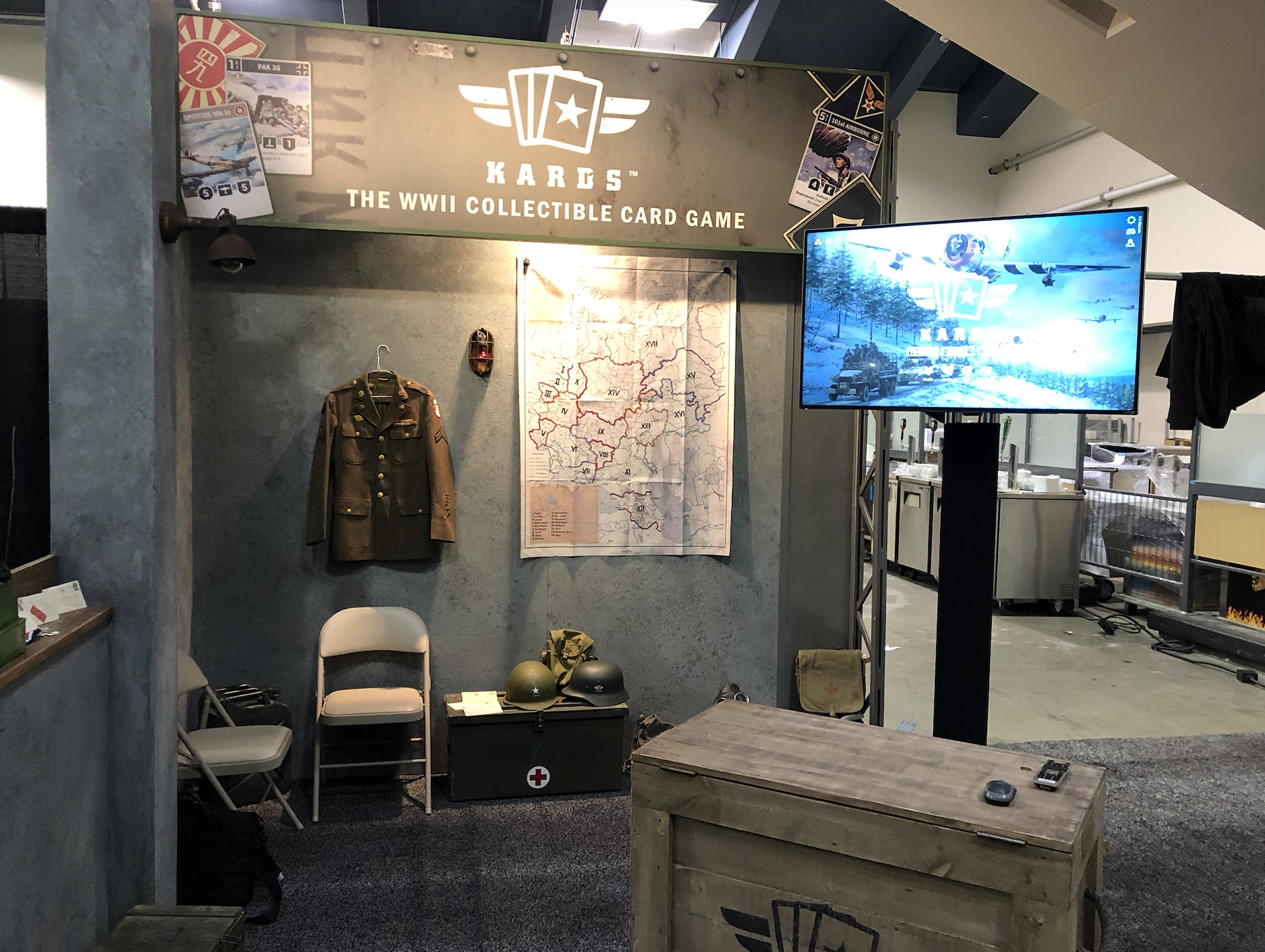
- Customisation is Key: Give your booth personality with a theme, such as props, cardboard cutouts of game characters, or quirky furniture, to attract attention.
- Spotlight the Game: Ensure playable demos are easily accessible, use high-quality visuals, and favour showcasing gameplay in action over walls of text.
Create Memorable Moments: Set up a branded backdrop with lighting for selfies, and encourage attendees to share their photos using a branded hashtag to leverage user-generated content. - Schedule Small Events: Run short demos, talks, or trivia nights to create buzz and incentivise attendees with exclusive rewards.
It’s not uncommon for indie developers to feel overwhelmed at the prospect of a bustling games trade show, especially if their booth feels like a tiny space.
If you only have limited resources at your booth, you can still create a captivating space for players, media and industry influencers attending the event.
Here are some tips to make your booth attention-grabbing, helping attendees learn about your game and boosting your game trade show PR efforts.
Customisation is Key
Skip the usual generic tables and banners. Instead, add some personality and a theme to your booth. Think bright colours, creative displays, or props that reflect items from your game’s world.
You might use cardboard cutouts of your game’s characters, quirky furniture that matches your style, or even dress up in a costume to bring your game’s spirit to life.
There are plenty of options that won’t break the bank, and customising your booth can be a lot of fun!
Let your Game take the Spotlight
Your booth is all about your game. Be sure to highlight your game well: make playable demos easy for attendees to try, use high-quality, eye-catching visuals or interactive displays, and skip long blocks of text in favour of showing gameplay in action.
Create Memorable Moments
Create a branded backdrop with good lighting where people can take selfies or group photos.
You can also create a themed photo booth using cardboard and props.
Encourage attendees to share their experiences using a branded hashtag for your game, and use their posts to help spread the word.
Schedule Small Events for Big Impact
Short demos, talks, or even trivia nights related to your game can create buzz at your booth.
Create buzz with social media teasers, and attract attendees to your booth by offering exclusive rewards or sneak peeks behind the scenes of your game’s development.
Summary: Your During-Event Game Trade Show PR Checklist
Success at a game trade show is a high-energy, dynamic effort that requires engagement beyond your booth. Your core actions should be:
- Be Social and Live: Consistently use social media to post live demos and contests, leveraging event hashtags to reach a global audience.
Give Quality Swag: Prioritise quality and practicality in your giveaways over volume, and always include game access for journalists. - Master Clarity: Use pen and paper for notes and speak slowly and clearly, especially with non-native English speakers, to overcome communication barriers
- Be Creative: Customise your booth and run small scheduled events to attract crowds and generate buzz, making your small space memorable.
Network Constantly: Mingle with other developers, seek out talks, and utilise hidden exhibition services to broaden your network and impact.
Our work isn’t done! Check out Part 3 of this post below for essential tips and strategies to help you follow up and maximise your PR impact after the event.
PART 3 – AFTER THE SHOW
Your game trade show PR efforts don’t end just because you leave.
Your booth might be packed up and everyone gone home, but the real work of turning quick chats into lasting partnerships starts now.
After a game trade show, everyone needs a break and feels tired, which can open up strong, but often overlooked, opportunities.
The next move is yours after the event, and what you do now will shape how attendees and the media remember you.
How do you ensure your game doesn’t get lost after the event?
Are your follow-up emails being opened or ignored?
Once the excitement of the show has faded, how can you say that your trade show presence was a success?
We’ve previously covered how to plan for a game trade show and how to amplify your presence during the event. Here, we’re going to talk about the actionable steps to execute an effective post-event PR strategy and measure its real impact.
What you’ll learn in this section about game trade show PR:
The booth is packed up, and the lights are off, but this is when the real winners are made. Most developers go quiet after a show, but we’ll show you how to keep your voice heard. In this last section, you’ll learn how to:
- Master the 24-Hour Rule: Timing matters. Find out what to send and how quickly to send it so your game stays at the top of a journalist’s busy inbox.
- Bridge the ‘Relationship Gap’: Go beyond a one-time pitch. We’ll help you turn a booth contact into a long-term industry partner by genuinely engaging with their work.
- Use ‘Set-and-Forget Monitoring: Stop checking for your game every hour. Learn how to use free tools like Google Alerts and Talkwalker to keep track of coverage and competitors even while you’re asleep.
- Calculate Your True ROI: Success is more than a feeling. We’ll explain how to measure your impact in three stages:
- Pre-Show: Watch for spikes in “hype.”
- On-Site: Count demo requests and assess lead quality, conversion rates, and long-term sentiment.
- Value the Intangibles: See why a boost in community loyalty or one strong influencer partnership can be more valuable than a week of quick sales.
- Build a Feedback Loop: Learn how to use attendee surveys and on-the-floor data to plan an even better event next time.
Follow up with your contacts
Key takeaway
- The 24-Hour Rule: Send personalised thank-yous and promised assets (keys, art, trailers) immediately to capitalise on event momentum.
- Relationship > Pitch: Connect on social media and engage with their work to turn a brief meeting into a long-term industry connection.
- Persistence & Patience: Follow up politely after one week if you haven’t heard back, but respect their “post-show” inbox deluge.
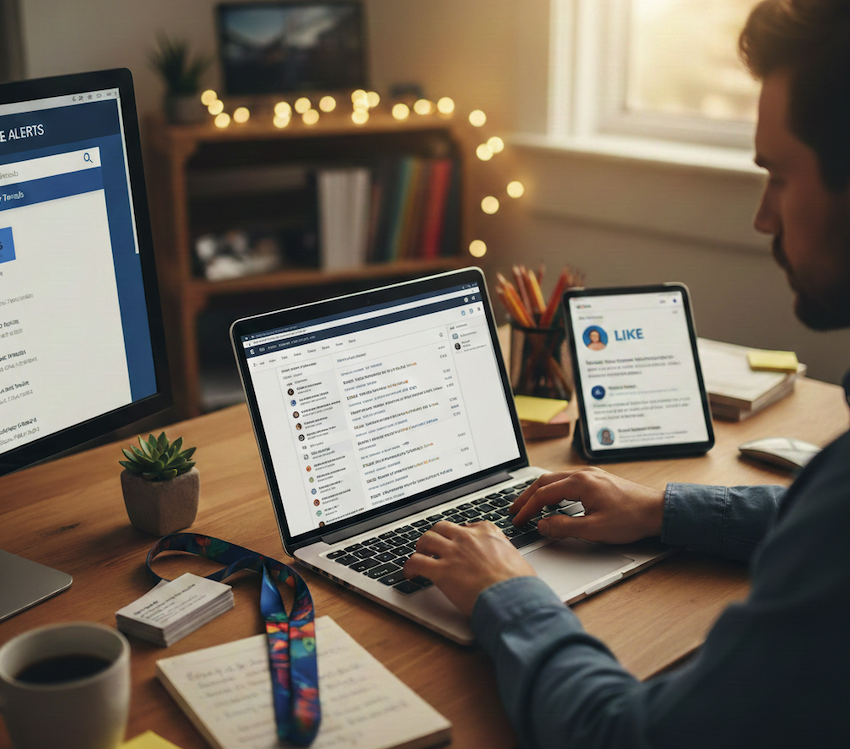
- Stay Informed: Use free tools like Google Alerts to track coverage and industry trends so you can stay relevant in future conversations.
First and foremost, you need to follow up with any contacts you made during the event.
Your post-event follow-up is a direct extension of your trade show presence and a critical test of your professionalism. How you follow up determines whether a promising contact becomes a lasting connection or just another forgotten idea. Here’s what we recommend to ensure your outreach builds momentum:
- Send a personalised thank-you email within 24 hours of meeting a journalist. This will ensure your conversation remains fresh and demonstrates genuine interest.
- Don’t delay sending journalists any assets you promised, such as screenshots, artwork or video footage. Provide resources to fuel a journalist’s creativity and understanding of your game.
- Did you think of any valuable insights or information after your conversation that you wished you could’ve shared? Send them in your follow-up communications to demonstrate proactiveness and provide ongoing value.
- Build rapport beyond your initial pitch by following key contacts on social media (where appropriate). Don’t just follow them on their active platforms – engage with their industry-related content.
- If relevant, offer a complimentary review key or early access to your game. This will allow journalists to experience your game firsthand and potentially lead to more in-depth coverage.
- Be patient with responses. Journalists face a deluge of post-show emails, and you need to respect their busy schedules. However, a gentle, polite reminder email if you haven’t heard back after a week is generally acceptable.
- Focus on building a long-term relationship by sending periodic updates on your game’s development or sharing relevant news to stay top-of-mind (be mindful not to over-email people, though!).
Beyond tracking your own coverage, it’s also advisable to set up news alerts after a game trade show.
You won’t always be informed about post-event coverage, and getting alerts for journalists you met can be a great way to gain a valuable window into conversations.
Sharing a contact’s recent article on social media or sending an insightful comment on a trending topic demonstrates that your relationship is built on a genuine interest in the wider industry, not just a single conversation at the event.
This doesn’t have to be a costly subscription. We recommend using free services to stay on top of general industry trends and key topics. Google Alerts or Talkwalker Alerts can monitor relevant keywords, competitor names, and evolving industry news to keep you in the loop.
Measure the ROI (Return on Investment) of your Game Trade Show PR
Key Takeaway
- Track Pre-Show Momentum: Monitor website traffic spikes and social engagement leading up to the event to see which teasers or campaigns actually built the most “hype.”
- Capture On-Site Data: Use demo requests, surveys, and lead-gen forms at your booth to quantify physical interest and gather direct feedback on your game.
- Measure Post-Show Conversion: Analyse sales, pre-orders, or sign-ups directly following the event to see how many “leads” turned into actual players.
- Look Beyond the Numbers: Don’t just count clicks; assess qualitative wins like brand sentiment, community loyalty, and the long-term value of new industry partnerships.
Turning the short-term buzz at game trade shows into long-term growth defines success.
To make that happen, you need to evaluate how well your PR efforts are working.
Measuring your return on investment (ROI) takes a focused approach. From tracking key metrics before the show to watching long-term community growth, you need a clear way to measure your impact.
We’re here to help.
Here are some practical steps you can take to demonstrate the real value of your game trade show PR efforts in pre-show planning, during the event, and in follow-up.
Before the Show
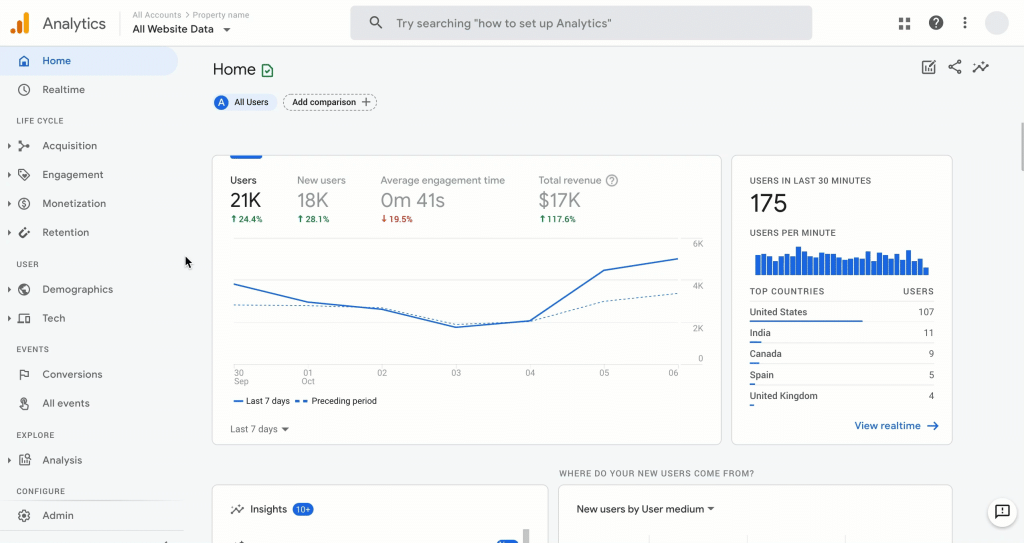
- Track your website traffic. Spikes in traffic that align with pre-show releases, influencer collaborations or social media campaigns will illustrate your efforts to drive interest and direct players to your game.
- Look at your social media engagement across all your channels. This includes likes, comments, shares, or mentions. More engagement means more people are noticing your game and getting excited about it.
- Use media monitoring tools to track your coverage. Tools like Sprout Social help you keep an eye on competitors and the gaming industry across social media and news sites. Checking your reach, tone, and where you appear in top publications gives you a sense of how people see your game.
During the Show
- You can collect useful data right at your booth during the trade show. Keep track of how many demo requests you get, and ask attendees for feedback through surveys or polls. This helps guide your game’s development and shows how well your booth and marketing materials are working.
- Collect leads using opt-in forms, business cards, or social media contacts at the event. You can judge the quality of these leads by tracking where they come from and how many turn into players or sales.
- Pay attention to how your live streams, contests, and influencer partnerships affect your online engagement. Using these insights helps make sure your message connects even after the event ends.
After the Show
- Continue to track website traffic as you have been, but pay close attention to any dips or spikes that coincide with media coverage or influencer promotions. You never know what post-show trends will generate potential sustained interest!
- Look at your conversions- like pre-orders, sign-ups, or others-to see how your post-show efforts have affected your sales.
- Track the long-term effects of any media coverage using social media or monitoring tools, as mentioned earlier. See if your event interactions have led to new collaborations or positive support from the community.
Measuring Return on Investment Beyond the Numbers
While metrics like website traffic and lead generation provide essential quantitative data, the full story of your trade show success is often found in qualitative insights.
To really understand your impact, go beyond the numbers. Send post-event surveys to your fans to find out whether your brand message connected, check how your online communities are growing and how they feel about you to measure loyalty, and figure out the earned media value of your coverage.
These elements reveal whether you built meaningful relationships and shifted public perception, which will be foundational to your game’s long-term growth.
In the end, a simple ROI calculation compares what you spent with direct results, such as sales conversions. You can make this easier using free tools like Google Analytics and HubSpot’s CRM.
However, the most accurate assessment must also account for intangible assets.
The long-term benefits of a good influencer partnership, a great review in a major publication, or an active player community add a lot to lasting success—often much more than immediate sales do.
Summary: Your Post-Event Checklist
- Follow the 24-hour rule: Send personalised follow-ups and any promised materials to all new contacts within a day.
- Move from pitching to partnering: Connect on social media and engage with journalists’ content to build lasting relationships.
- Audit Your Analytics: Compare pre-show, during-show, and post-show website traffic and social engagement spikes.
- Measure quality: Review demo requests, lead sign-ups, and community feedback to understand your true ROI.
- Keep an eye on the story by setting up news alerts: Use Google or Talkwalker to track coverage and follow industry trends.
- Use the data and feedback you collected: Improve your booth design and PR strategy for the next event.
Summary – Looking Ahead at your Game Trade Show PR strategy
The strategies shared in this blog, along with those from Before the Event and After the Event, aren’t just checklists to use once and forget.
Using the advice we’ve given will help you build a smarter, relationship-focused PR approach.
Make these habits of careful follow-up, solid measurement, and real engagement part of your studio’s culture, and you’ll see how game trade shows can become ongoing opportunities for growth.
Every handshake and conversation at a game trade show isn’t the end; it’s the beginning of a strategic investment in your game’s future.
Good luck!
FAQ
The best event depends on whether your PR goals are B2B or B2C. If your strategy focuses on industry partnerships and trade media coverage, GDC is the best fit. If you want to drive consumer hype and gather public player feedback, Gamescom is the superior choice for high-volume visibility.
You should begin your PR pitching 3 to 4 weeks before the trade show. This lead time is essential for securing meetings with key journalists and influencers before their schedules are fully booked. Personalising your outreach during this window is the most effective way to increase your media response rate.
Indie studios can maximise PR impact by using creative booth themes and social media-friendly displays. Instead of expensive builds, use props and character cutouts that encourage “selfie moments.” This turns every visitor into a mini-brand ambassador, extending your PR reach far beyond the physical event floor.
The best location for PR meetings balances professional privacy with convenience. Trade association booths offer great visibility for media “walk-bys,” while co-working spaces provide the quiet environment needed for focused, high-quality press interviews. Avoid noisy hotel lobbies to ensure your PR messaging is heard clearly.
A successful event press kit must include a booth map, high-res gameplay assets, and a focused media pitch. To stand out, your PR materials should highlight new features or announcements specific to the event. Using QR codes at your booth makes it easy for busy journalists to access your digital PR assets instantly.
The 24-Hour Rule ensures your PR momentum doesn’t stall after the show ends. Sending personalized thank-yous and digital assets within one day of a meeting keeps your game at the top of a journalist’s mind. Rapid follow-up is often the deciding factor in whether a meeting turns into published coverage.
PR ROI is measured by tracking media mentions, website traffic spikes, and community growth. Use tools like Google Analytics to monitor traffic during the event and assess the “earned media value” of any press coverage received. Quantitative data (leads) and qualitative wins (brand sentiment) both contribute to evaluating overall PR success.
